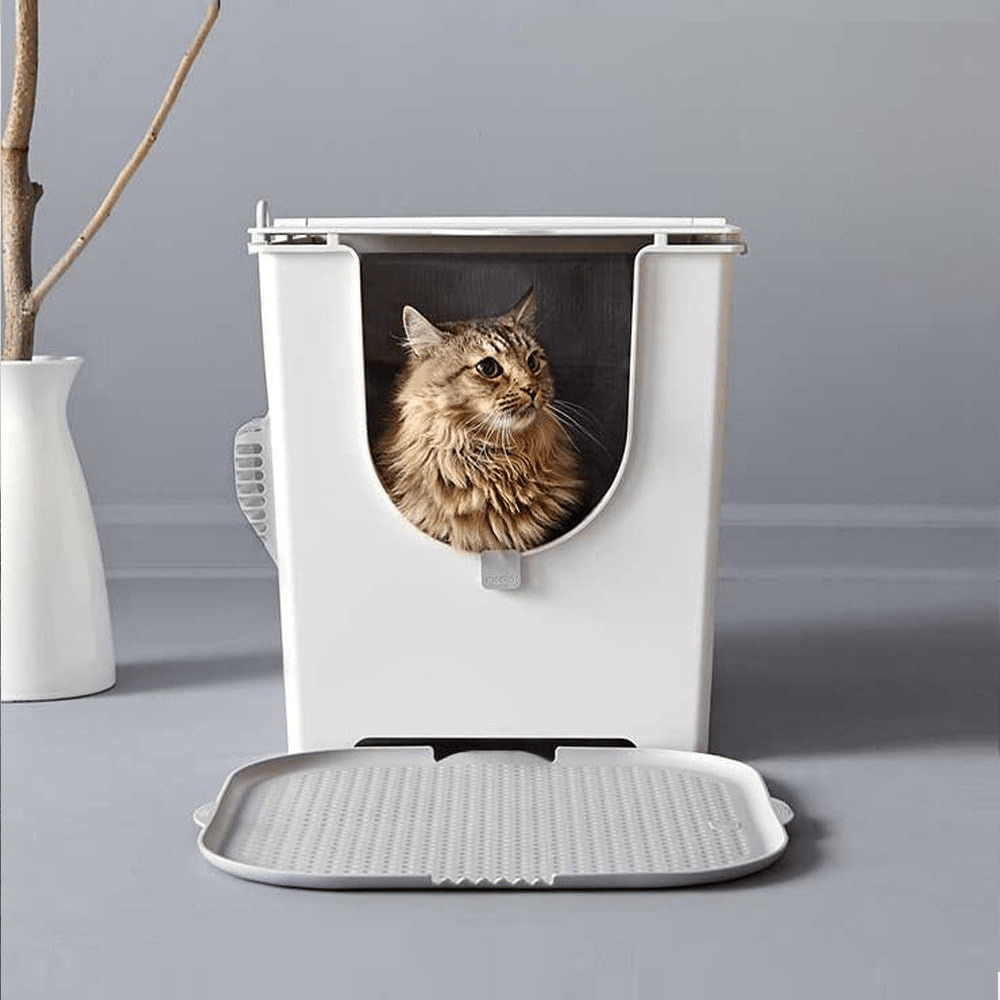
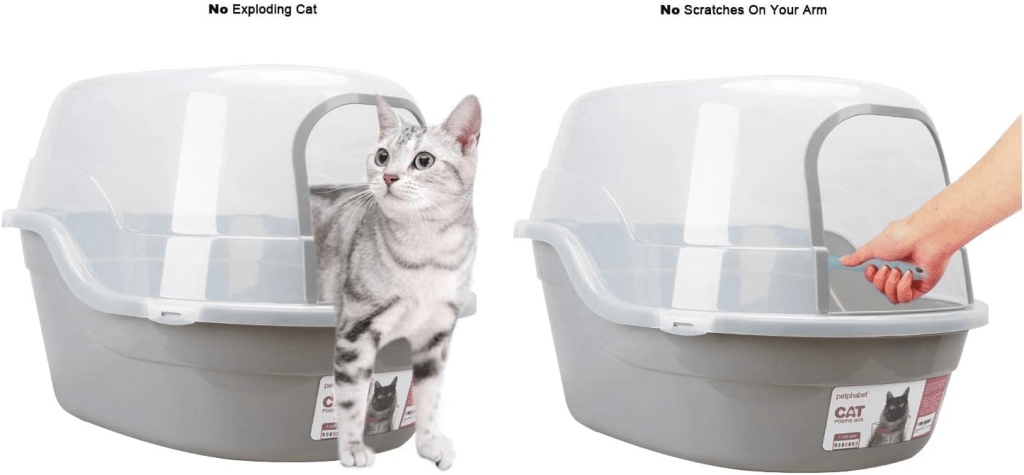
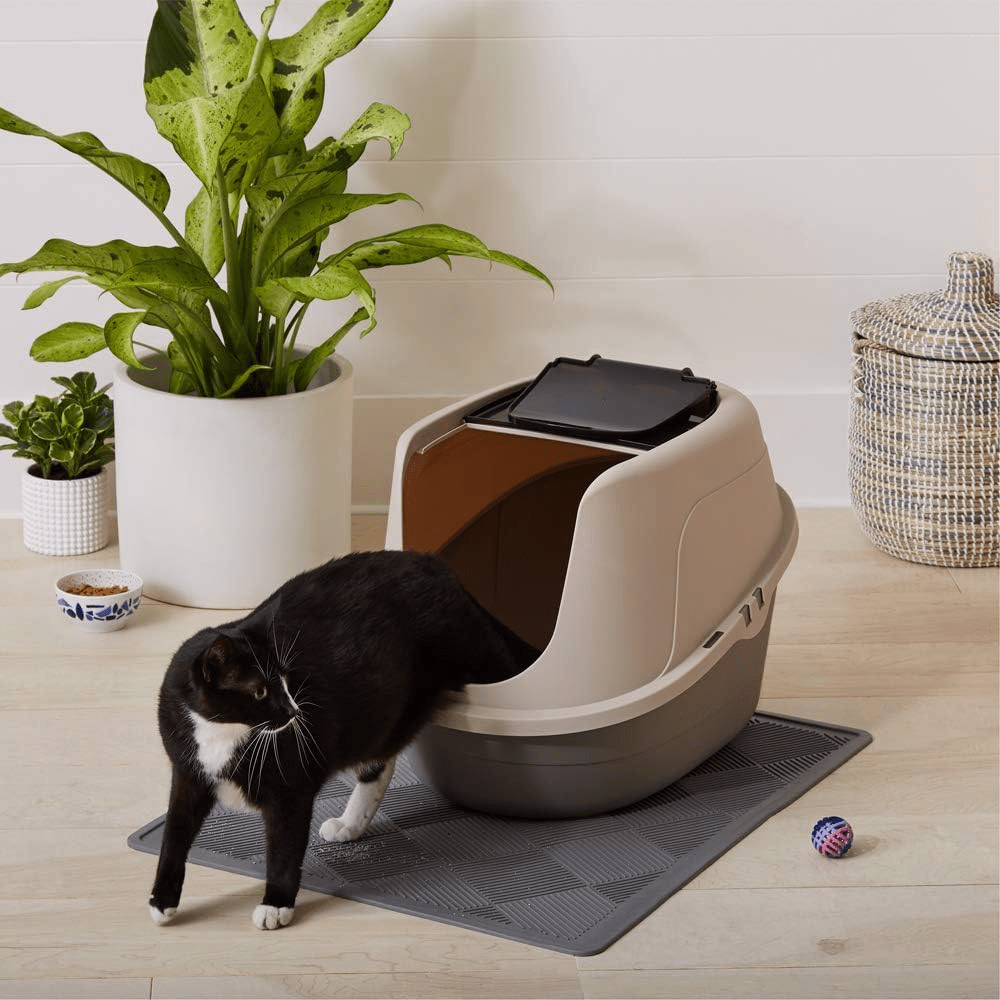
10 top rated cat litter boxes

Basics No-Mess Hooded Cat Litter Box, Large, Multicolor, 24 in x 18 in x 17 in
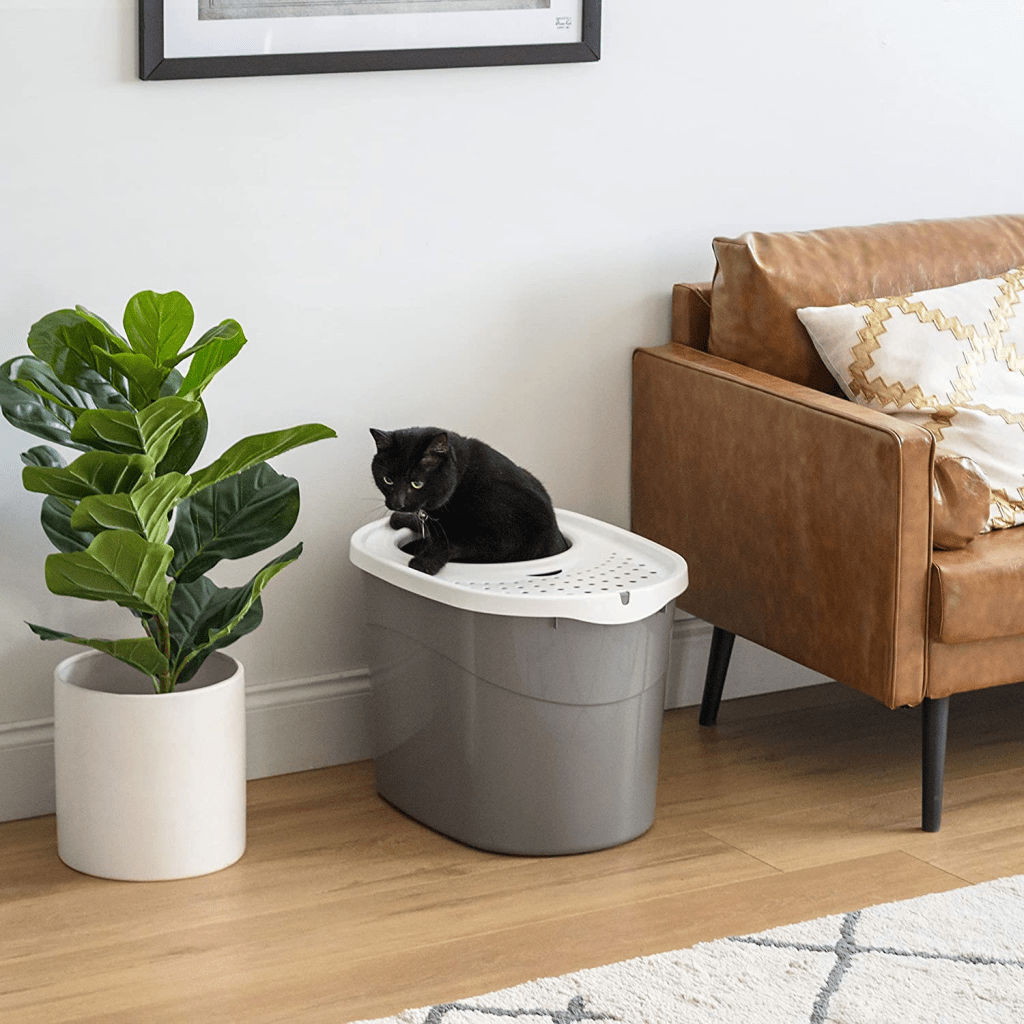
  • IRIS USA Oval Top Entry Cat Litter Box with Scoop, Kitty Litter Tray with Litter Catching Lid Less Tracking Dog Proof and Privacy Large, Gray/White https://amzn.to/3rlrR3Z
  • iPrimio Enclosed Sides Stainless Steel XL Cat Litter Box – XL Litter Box for Big Cats – Large Cat Litter Box – Never Absorbs Odor, Stains, or Rusts – Easy Cleaning Litterbox (1 Pan with Enclosure) https://amzn.to/44MJGYk
  • Purina Tidy Cats Litter Box System, BREEZE System Starter Kit Litter Box, Litter Pellets & Pads https://amzn.to/46RWvlR
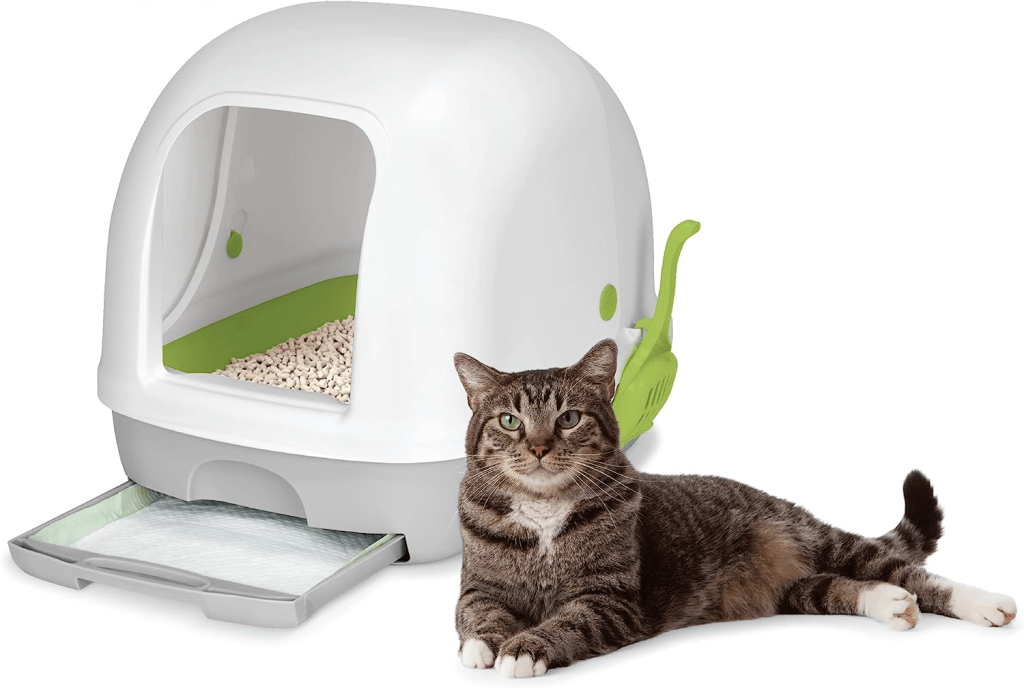
  • Purina Tidy Cats Hooded Litter Box System, BREEZE Hooded System Starter Kit Litter Box, Litter Pellets & Pads https://amzn.to/43uomps

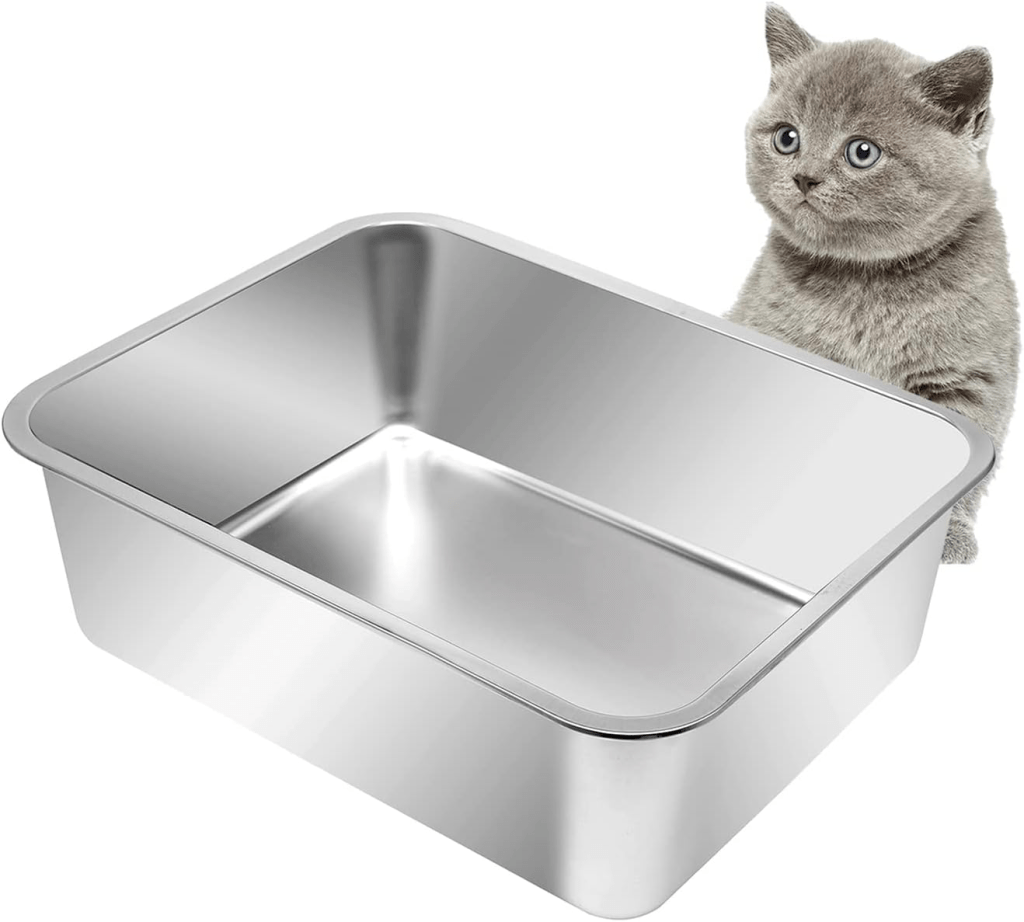
Kichwit Extra Large Stainless Steel Open Cat Litter Box with High Sides, Metal Litter Pan for Cat https://amzn.to/3DhkHk6

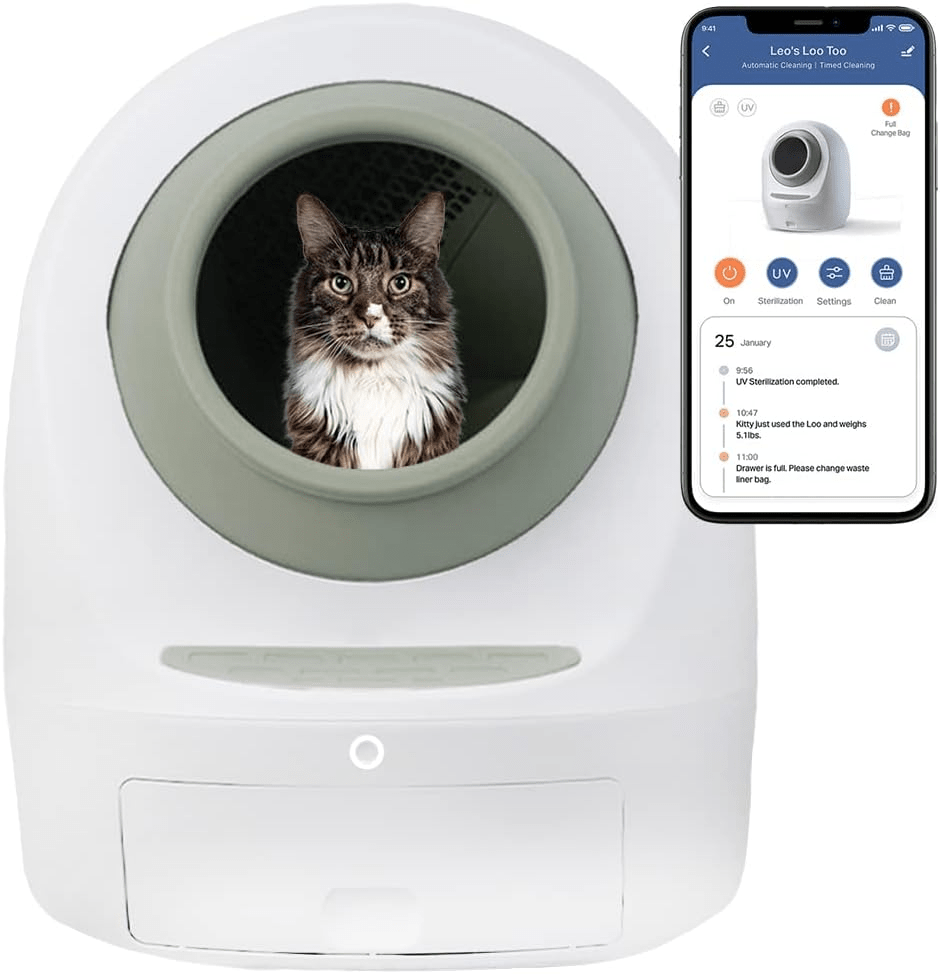
  • Smarty Pear Leo’s Loo Too No Mess Automatic Self-Cleaning Cat Litter Box Includes Charcoal Filter, Built-in Scale, Smart Home App with Voice Control https://amzn.to/3pNd9T9

Automatic Cat Litter Box, Large Capacity Self Cleaning Cat Litter Box, APP Control Smart Motion Sensor Kitty Litter Box for Multiple Cats with Cat Litter Mat https://amzn.to/3DhWVV0

Modkat Flip Litter Box Kit Includes Scoop and Reusable Tarp Liner https://amzn.to/3rCKG2E

Petphabet Jumbo Hooded Cat Litter Box, Extra Large (Gray) https://amzn.to/3NT2bn1

As an Amazon Associate I earn from qualifying purchases

Shopping for Essential Supplies for a New Dog Adoption: A Comprehensive Guide

Welcoming a new furry friend into your home is an exciting and rewarding experience. Whether you’re a first-time dog owner or adding another canine companion to your family, it’s important to ensure you have all the necessary supplies to provide a comfortable and happy life for your new pet. In this blog, we’ll explore the essential items you need when you adopt a dog, covering everything from basic necessities to enrichment and safety.

  1. Food and Water Essentials: One of the first things your new dog will need is a consistent and nutritious diet. Invest in high-quality dog food suitable for your dog’s age, size, and breed. Along with food, you’ll need food and water bowls. Opt for durable, stainless steel or ceramic bowls that are easy to clean and won’t tip over easily. Try the Stainless Steel Dog Bowls (2 Pack) | Non-Slip Rubber Bottom and No Spill Design. Dishwasher Safe Metal Food & Water Dish Set for Small & Large Pet Breeds. these bowls can be found here: https://amzn.to/3OcdUyA
  2. Collar, Leash, and Identification: A well-fitted collar and leash are essential for outings and daily walks. Choose a collar that is comfortable and adjustable, with a sturdy leash that offers control without causing discomfort. Don’t forget to attach identification tags with your dog’s name and your contact information to ensure their safety in case they ever get lost. These reflective collar and leash set is ideal for your new furry family member: https://amzn.to/44m2fCE
  3. Comfy Bed and Crate: A cozy bed is vital for your dog’s comfort and a place they can call their own. Provide a soft and washable bed that suits your dog’s size and sleeping preferences. Additionally, consider crate training, which provides a safe and secure space for your dog when you’re away or during travel. Here’s a bed that will keep you beloved furry friend warm and cozy: https://amzn.to/44nL5Vw
  4. Toys and Enrichment: Dogs love to play, so ensure you have a variety of toys to keep them entertained and mentally stimulated. Chew toys, interactive puzzles, balls, and squeaky toys are great options. Rotating their toys regularly will help maintain their interest. Consider puzzle feeders or treat-dispensing toys to keep their minds engaged during mealtime. What dog wouldn’t like a duck that will provide hours of entertainment: https://amzn.to/44nLrLQ
  5. Grooming Supplies: Keeping your dog clean and well-groomed is essential for their overall health and well-being. Invest in a good quality dog brush or comb suitable for your dog’s coat type. Additionally, you may need nail clippers, dog shampoo, toothbrush, and toothpaste specifically designed for dogs. Regular grooming sessions will help keep your furry friend looking and feeling their best. Start with this 4 in 1 Dog Bath Brush Pro for Dog Washing, Scrubbing, Massaging & Grooming: https://amzn.to/3JOEnzh
  6. Health and Safety: Don’t forget about your dog’s health and safety. Have a first-aid kit on hand, including items like bandages, antiseptic solution, and tweezers for removing ticks or splinters. It’s also crucial to schedule regular veterinary check-ups, vaccinations, and preventive medications such as flea and tick treatments. Get this pet essential first aid kit so you are always prepared: https://amzn.to/3NUH43U
  7. Training and Behavior: Help your dog settle into their new home by providing training and behavior aids. Training treats, clickers, and positive reinforcement tools can aid in teaching basic commands and good behavior. Consider getting a sturdy and adjustable harness for walks, especially if your dog tends to pull on the leash. Start your training with positive reinforcement with this clicker and training pouch: https://amzn.to/3PS32XO

Conclusion: Welcoming a new dog into your family requires proper preparation and the right supplies. By ensuring you have the essentials, you’ll be equipped to provide a comfortable, safe, and enjoyable environment for your new furry friend. Remember, every dog is unique, so adapt the supplies and accessories to their specific needs. Enjoy the journey of bonding and building a lifelong relationship with your new canine companion!

As an Amazon Associate I earn from qualifying purchases

Decoding Feline Behavior: Insights into the Enigmatic World of Cats

Cats have long captivated our hearts and minds with their mysterious and intriguing behavior. These independent and enigmatic creatures often leave us wondering about the reasons behind their actions. In this blog, we will delve into the world of feline behavior and attempt to shed light on some of their fascinating and sometimes puzzling habits. So, sit back, relax, and let’s embark on a journey to understand our feline friends a little better.

  1. The Language of Tails:

One of the primary means of communication for cats is their tail. A cat’s tail can provide valuable insights into their mood and intentions. For example, an upright tail with a slight curve at the end usually indicates a friendly and content cat, while a puffed-up tail is a sign of fear or aggression. Understanding the subtle nuances of tail positions can help us gauge a cat’s emotional state and respond accordingly.

  1. Purring: The Multifunctional Sound:

Purring is perhaps one of the most distinctive sounds associated with cats. While it is commonly associated with contentment, purring can also serve other purposes. Cats may purr when they are anxious, injured, or seeking comfort. It is believed that the vibrations produced by purring have a calming effect and can even aid in the healing process. So, the next time your feline companion purrs, remember that it may be their way of expressing a range of emotions.

  1. The Fascination with Boxes:

If you’ve ever owned a cat, you’ve probably noticed their inexplicable love for boxes. It turns out that this behavior is rooted in their innate need for security and territory. Cats see boxes as safe havens where they can hide, observe their surroundings, and feel protected. Even though they may have access to luxurious beds, a simple cardboard box can be their preferred spot. Embracing this quirk and providing them with boxes to explore can enrich their environment and satisfy their natural instincts.

  1. The Midnight Zoomies:

If you’ve ever witnessed your cat zooming around the house at breakneck speed in the middle of the night, you’re not alone. These bursts of energy, aptly named the “midnight zoomies,” are a result of a cat’s natural hunting instincts. Cats are crepuscular animals, meaning they are most active during dawn and dusk. These episodes of frenetic activity mimic their instinctual behavior of stalking and hunting prey. Providing interactive play sessions during the evening can help channel their energy and prevent nocturnal disruptions.

  1. Kneading and Biscuit Making:

Ever wondered why your cat kneads or “makes biscuits” on soft surfaces like blankets or pillows? This behavior is a throwback to their kittenhood. Kittens instinctively knead their mother’s mammary glands to stimulate milk flow while nursing. As adults, cats continue to knead as a sign of contentment and relaxation. It’s an endearing behavior that often accompanies purring, indicating a state of comfort and happiness.

Conclusion:

Cats are complex creatures with a rich repertoire of behaviors that both mystify and delight us. By paying attention to their body language, vocalizations, and unique habits, we can begin to unravel the secrets of their behavior. Remember, each cat is an individual with their own personality, so while generalizations can be made, it’s important to consider their unique preferences and experiences. The more we understand and respect their nature, the stronger the bond we can forge with our feline companions.
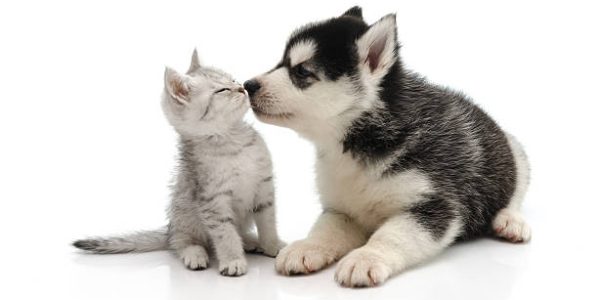
Choosing a Dog or a Cat: Finding the Perfect Pet Companion

Deciding to bring a furry companion into your home is an exciting and life-changing decision. Whether you’re leaning towards a loyal and playful dog or a graceful and independent cat, both can bring immense joy and companionship to your life. However, choosing between a dog and a cat requires careful consideration. In this article, we’ll explore key factors to help you make an informed decision and find the perfect pet companion for your lifestyle.

  1. Lifestyle and Activity Level: Consider your lifestyle and activity level when choosing between a dog and a cat. Dogs generally require more physical exercise and mental stimulation. They thrive with daily walks, playtime, and human interaction. If you have an active lifestyle, enjoy outdoor activities, and have ample time for training and bonding, a dog may be the ideal choice.

On the other hand, cats are more independent and require less physical activity. They enjoy lounging, exploring their surroundings, and engaging in short bursts of play. If you have a busy schedule, live in a smaller space, or prefer a pet that can entertain itself to some extent, a cat may be a better fit.

  1. Time and Commitment: Consider the amount of time and commitment you can dedicate to your pet. Dogs are social animals that thrive on companionship and need regular interaction and attention. They require daily feeding, exercise, grooming, and training. Dogs also benefit from routine and consistency in their daily lives. If you can provide the time and commitment required for a dog’s needs, you’ll be rewarded with a loyal and devoted companion.

Cats, on the other hand, are generally more self-sufficient. They are known for their independent nature and can entertain themselves for more extended periods. Cats require less hands-on attention and are often content with regular feeding, a clean litter box, and some playtime. If your schedule is more demanding or you prefer a pet that is less dependent on constant attention, a cat might be a suitable choice.

  1. Space and Living Arrangements: Evaluate your living arrangements and the available space in your home. Dogs, especially larger breeds, require more space to roam and exercise. They thrive in houses with yards or access to outdoor areas. Smaller dog breeds or certain low-energy breeds can adapt well to apartment living, provided they receive regular exercise and mental stimulation.

Cats, on the other hand, are more adaptable to different living spaces. They can thrive in apartments or houses, as long as they have enough vertical space for climbing, scratching posts, and hiding spots. Cats are generally known for their agility and ability to make the most of the space available to them.

  1. Allergies and Personal Preferences: Consider any allergies or personal preferences when choosing between a dog and a cat. Some individuals may have allergies to pet dander, which is more common with cats. If you or anyone in your household has allergies, it’s important to spend time with both dogs and cats to assess any allergic reactions before making a decision.

Additionally, personal preferences play a significant role. Dogs are known for their companionship, loyalty, and their willingness to please their owners. They often enjoy being part of a family unit and participating in various activities. Cats, on the other hand, provide a more independent and low-maintenance companionship. They are often known for their grace, agility, and self-grooming habits.

Conclusion: Choosing between a dog and a cat is a personal decision that should be based on your lifestyle, preferences, and ability to meet the needs of a pet. Dogs offer unwavering loyalty, endless energy, and a deep bond, while cats provide a more independent and self-sufficient companionship.